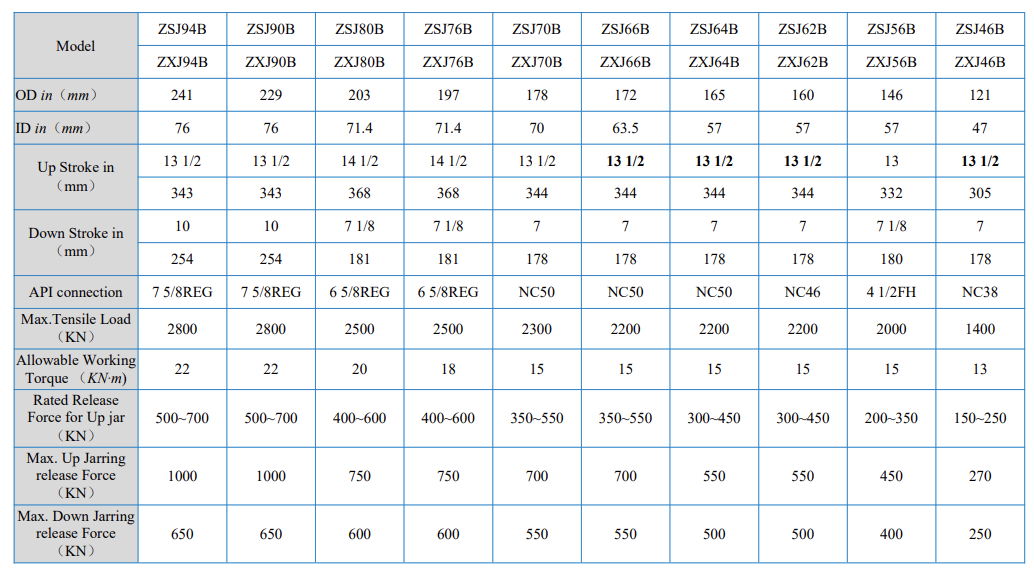


ZSJ/ZXJ Hydraulic & Mechanical Two-piece Drilling Jar
The drilling jar connecting with drill tool and working with drill strings is a downhole stuck freeing tool in drilling operation. When drill tool is happened to be stuck in downhole, the stuck drill tool can be released by in time starting the drilling jar to provide continuous up jarring or down jarring. It is a desire tool for directional well, complicated well and deep well.


Related products

GS (I) Type Casing Brusher is one of the indispensable auxiliary tools for well completion, testing and downhole operation. Its main purpose is to remove the residual attachments after the scraping operation of downhole casing inner wall scraper and protect the cleanness of casing inner wall, so as to facilitate the normal operation of all drilling tools. It is usually used with casing scraper.GS (I) Type Casing Brusher is not suitable for drilling operation.
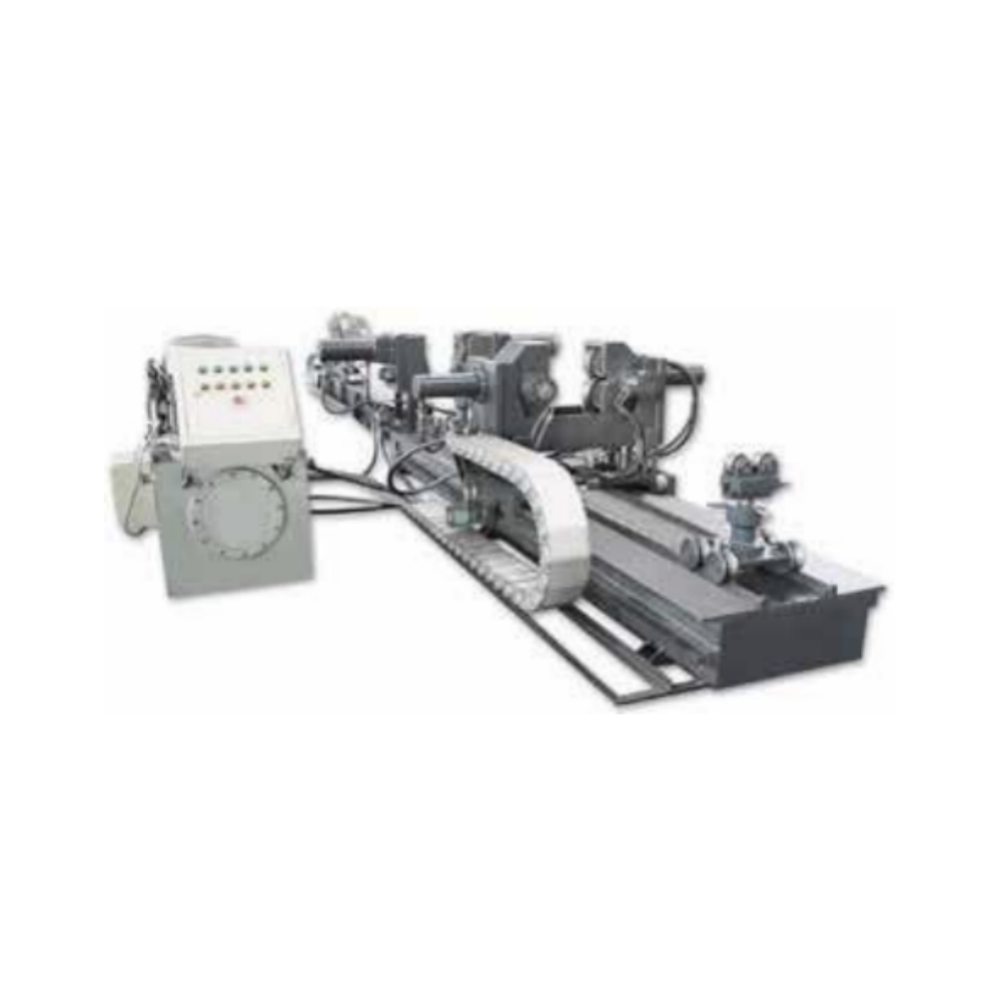
CZPT-II Hydraulic make-up/break-out platform is mainly used with Make/ Break unit assisting in the pre-assembly of drilling tools, whereby special guiding and alignment of tools are required for proper locking and unlocking of threads during assembly. The precision of tool alignment is the key to fast and accurate make-up and break-out of tools either in the workshop or on the rig. CZPT-II is generally designed to support all types of Make-up/Break-out Unit for its pre-assembly tool alignment and thread guiding. CZPT-II ensures high production efficiency during make- up/break-out of tools.

TIANHE Reverse Circulation Junk Basket (RCJB) is designed to remove all types of small junk objects from the well hole. The tool’s main feature is that it eliminates the possibility of pulling a wet string during fishing operation with its reverse drainage design. The RCJB can also be used as a fish magnet when fitted with a magnet insert, while maintaining its reverse fluid circulation feature.
The drilling jar is consisting of ZSJ type drilling up jar and ZXJ type drilling down jar, both can be used mutually or operated separately. The up jarring section takes use of hydraulic mechanism; the jarring force can be adjusted according to up elevating load but can not exceed the max. load for tool load rated. The down jarring section takes use of mechanical friction mechanism; the jarring force is well preadjusted by adjusting device before put into down-hole. No re-adjustment can be allowed after jar is put intodown-hole.